-
Give us a call +86-755-2543 2352
-
Email us info@urbanmines.com
-
Come & visit us No. 11, Bld. C, Hengmingzhu Tech. Industrial Park, Shajing Subdistrict, Bao'an District, Shenzhen, Guangdong, China
Give us a call +86-755-2543 2352
Email us info@urbanmines.com
Come & visit us No. 11, Bld. C, Hengmingzhu Tech. Industrial Park, Shajing Subdistrict, Bao'an District, Shenzhen, Guangdong, China
Why is Trump eyeing Greenland? Beyond its strategic location, this frozen island holds "critical resources."
2026-01-09 10:35 Wall Street News Official Account
According to CCTV News, on January 8 local time, US President Trump stated that the United States must "own" the entire Greenland, a statement that has once again brought Greenland into the geoeconomic spotlight.
According to a recent research report from HSBC, the world's largest island not only has a strategic geographical location, but also contains abundant key mineral resources such as rare earth elements. Greenland has the world’s eighth largest rare earth reserves (about 1.5 million metric tons), and if probable reserves are included, it could become the world’s second largest (36.1 million metric tons). The island also has mineral resources in 29 raw materials that the European Commission has listed as critical or moderately important.
However, the key issue is that while Greenland possesses the world's eighth-largest rare earth reserves, these resources may not be economically viable for extraction in the near term at current prices and mining costs. The island is 80% covered by ice, more than half of its mineral resources are located north of the Arctic Circle, and stringent environmental regulations keep extraction costs high. This means that Greenland is unlikely to become a significant source of key minerals in the short term unless commodity prices rise substantially in the future.
Geopolitics is pushing Greenland back into the spotlight, giving it triple strategic value.
The United States' interest in Greenland is nothing new. As early as the 19th century, the US had proposed purchasing Greenland. After the Trump administration took office, this issue was repeatedly raised in 2019, 2025, and 2026, shifting from an initial focus on "economic security" to a greater emphasis on "national security."
Greenland is a semi-autonomous territory of the Kingdom of Denmark, with a population of only 57,000 and a GDP ranking 189th globally, making its economy negligible. However, its geographical significance is extraordinary: as the world's largest island, it ranks 13th in area among global economies. More importantly, about 80% of the island is covered by ice, and its strategic location lies between the United States, Europe, and Russia.
HSBC stated that Greenland's rise to prominence stems from the combined effect of three key factors:
First and foremost are security considerations . Greenland is strategically located between the United States, Europe, and Russia, making its geographical position extremely valuable militarily.
Secondly, there is the shipping potential . As climate change causes Arctic ice to melt, the Northern Sea Route may become more accessible and important, and Greenland's geographical location will play a key role in the future global shipping landscape.
Thirdly, there are natural resources . This is precisely the core focus of this discussion. It boasts some of the world's largest rare earth reserves, with a prominent proportion of heavy rare earth elements, and possesses 29 key mineral resources.
The report indicates that, according to 2025 data from the U.S. Geological Survey (USGS), Greenland possesses approximately 1.5 million metric tons of rare earth reserves, ranking 8th globally. However, the Geological Survey of Denmark and Greenland (GEUS) offers a more optimistic assessment, suggesting that Greenland may actually possess 36.1 million metric tons of rare earth reserves. If this figure is accurate, it would make Greenland the world's second-largest rare earth reserve holder.
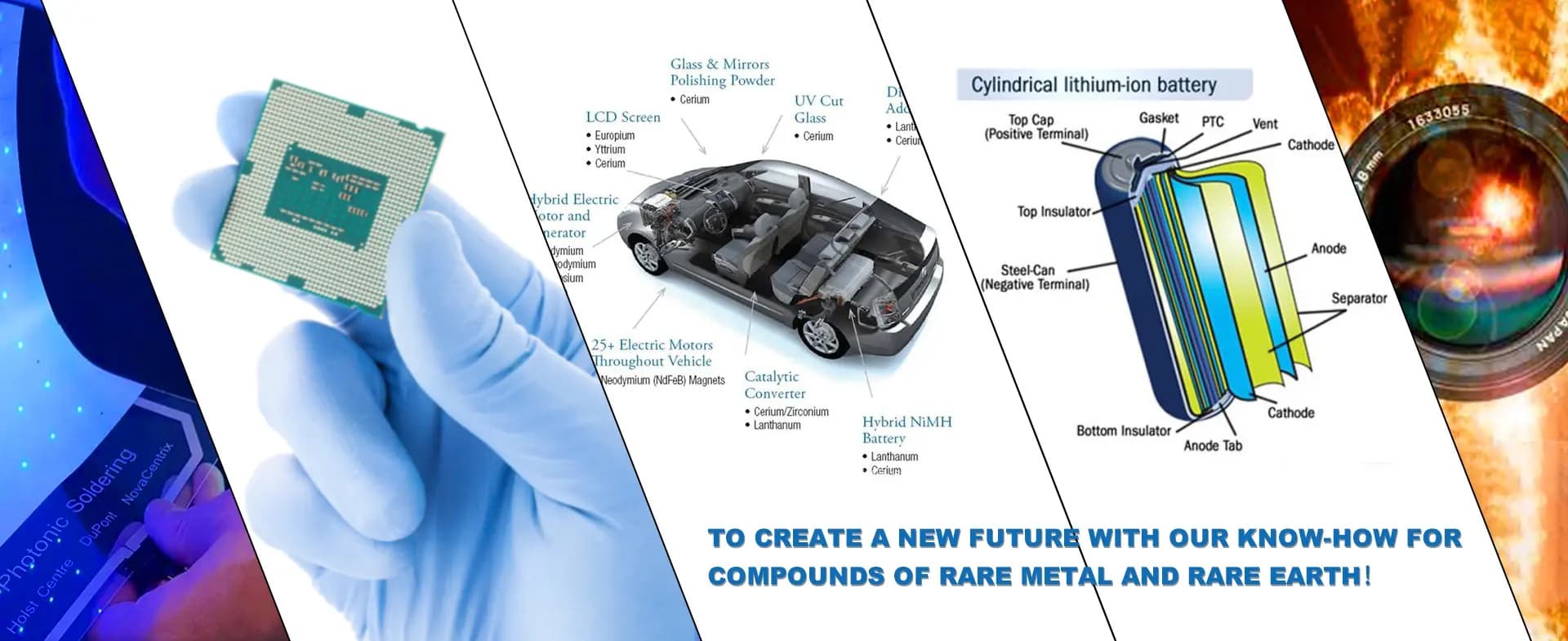
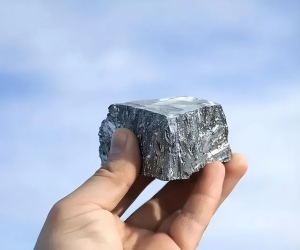
More importantly, Greenland has exceptionally high concentrations of heavy rare earth elements (including terbium, dysprosium, and yttrium), which typically account for less than 10% of most rare earth deposits but are key materials for permanent magnets needed in wind turbines, electric vehicles, and defense systems.
Besides rare earth elements, Greenland also possesses moderate reserves of minerals such as nickel, copper, lithium, and tin, as well as oil and gas resources. The U.S. Geological Survey estimates that the Arctic Circle may contain approximately 30% of the world's undiscovered natural gas reserves.
Greenland possesses 29 of the 38 “critical raw materials” that the European Commission (2023) has identified as highly or moderately important, and these minerals are also considered strategically or economically important by GEUS (2023). This extensive portfolio of mineral resources gives Greenland a potentially important position in the global critical mineral supply chain, especially in the current geoeconomic environment where countries are seeking to diversify their supply chains.
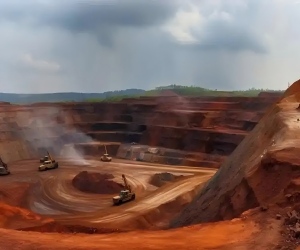
Mining faces significant economic obstacles
However, there is a huge gap between theoretical reserves and actual extraction capacity, and the development of Greenland's resources faces severe challenges.
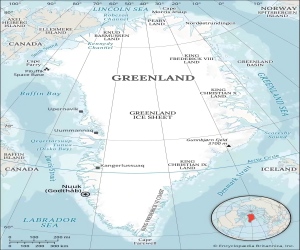
The geographical challenges are significant: Of the mineral potential sites identified by GEUS, more than half are located north of the Arctic Circle. With 80% of Greenland covered by ice, extreme weather conditions greatly increase the difficulty and cost of mining.
Project progress is slow: Taking rare earth mining as an example, although the Kvanefjeld and Tanbreez deposits in southern Greenland have potential (the Tanbreez project has set an initial target of producing about 85,000 tons of rare earth oxides per year from 2026), there are currently no large-scale mines in actual operation.
Economic viability is questionable: Given current prices and production costs, coupled with the added complexity of the frozen geographical environment and relatively stringent environmental legislation, Greenland's rare earth resources are unlikely to be economically viable in the near term. The GEUS report explicitly states that higher commodity prices are needed for economically exploitable mining of Greenland deposits.
A HSBC research report states that this situation is similar to Venezuela's oil predicament. Although Venezuela possesses the world's largest proven oil reserves, only a small portion is economically exploitable.
The story is similar for Greenland: vast reserves, but the economic viability of extraction remains unclear. The key lies not only in whether a country possesses commodity resources, but also in whether extracting those resources is economically feasible. This distinction is particularly important in the context of increasingly fierce global geoeconomic competition and the growing use of trade and commodity access as geopolitical tools.



Copyright @ 2010-2026 UrbanMines Tech. Co., Ltd. All Rights Reserved.
 IPv6 Network Supported