-
Give us a call +86-755-2543 2352
-
Email us info@urbanmines.com
-
Come & visit us No. 11, Bld. C, Hengmingzhu Tech. Industrial Park, Shajing Subdistrict, Bao'an District, Shenzhen, Guangdong, China
Give us a call +86-755-2543 2352
Email us info@urbanmines.com
Come & visit us No. 11, Bld. C, Hengmingzhu Tech. Industrial Park, Shajing Subdistrict, Bao'an District, Shenzhen, Guangdong, China
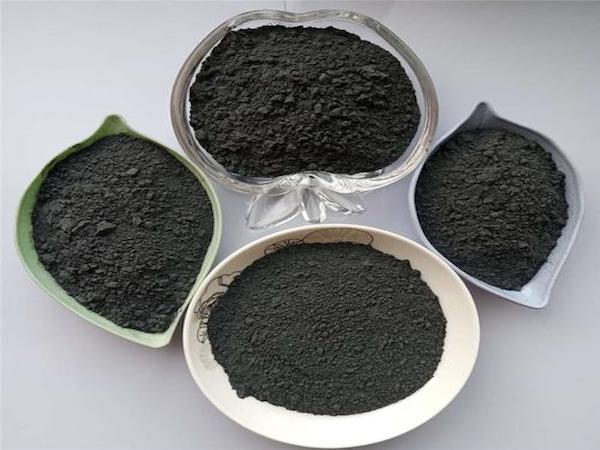
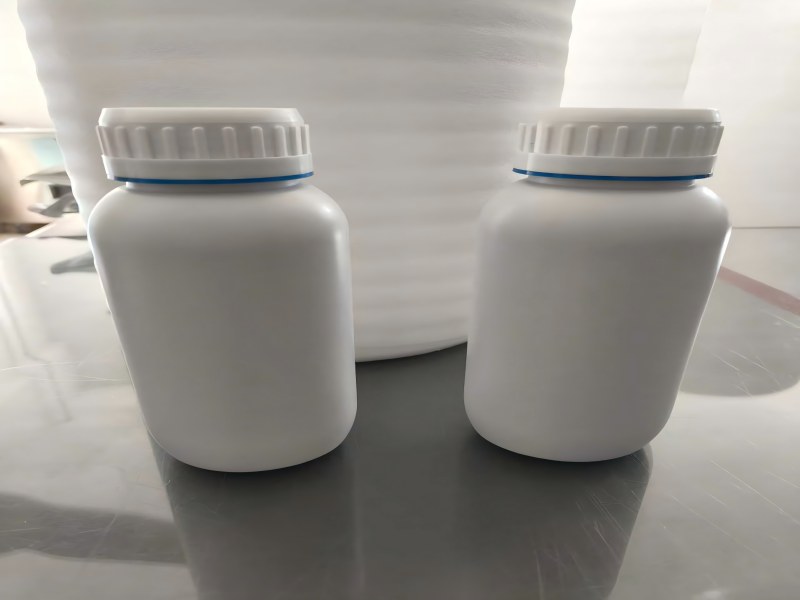
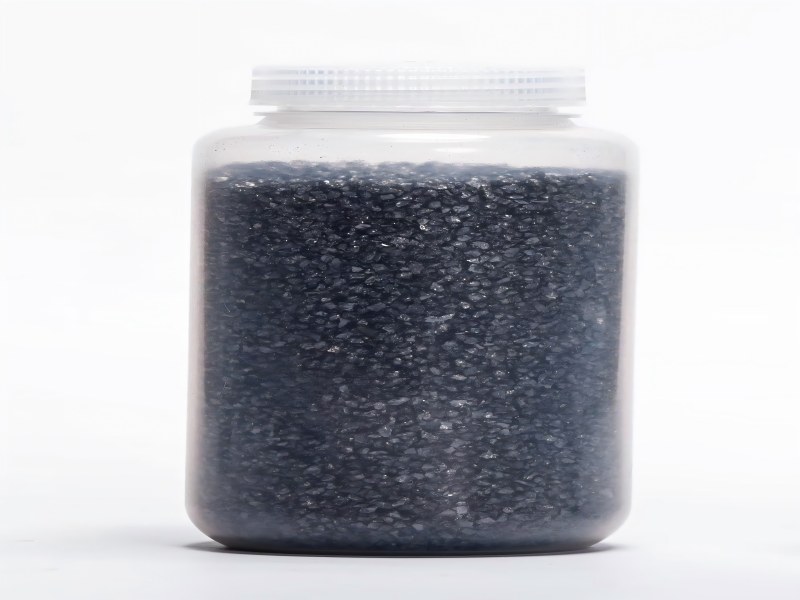
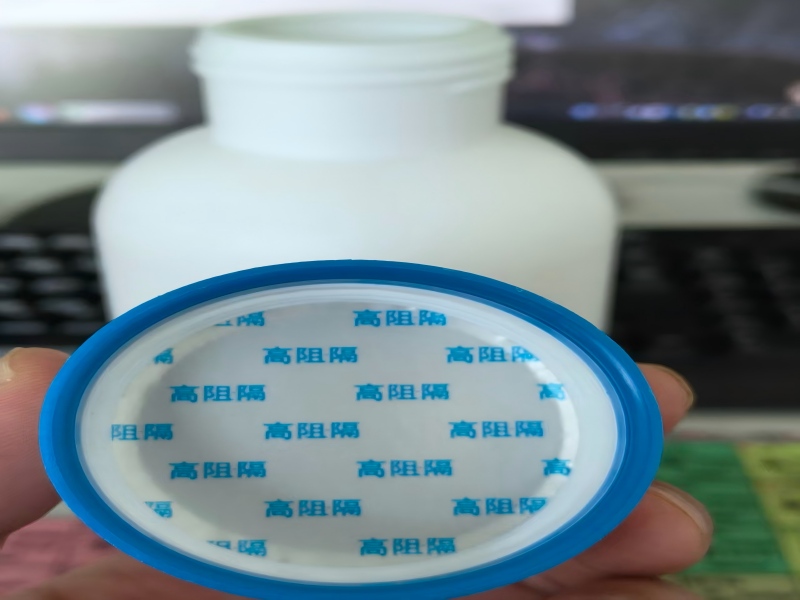
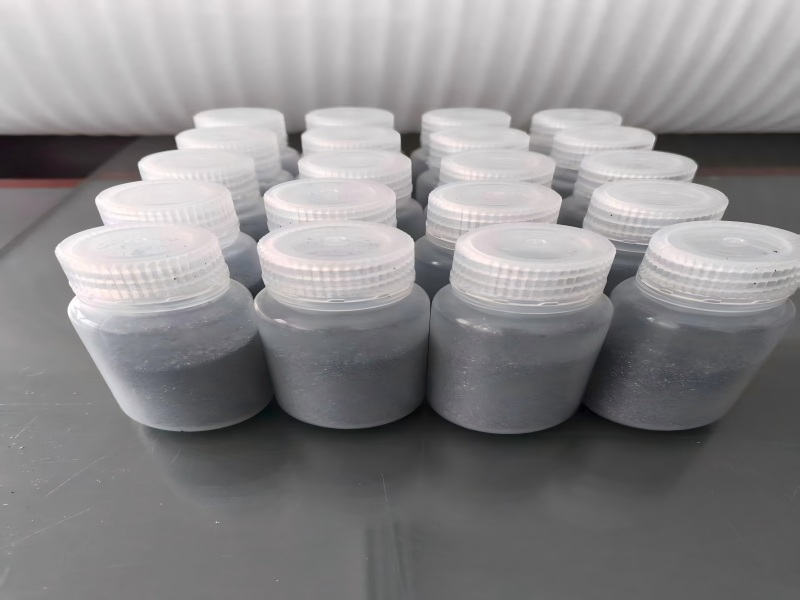
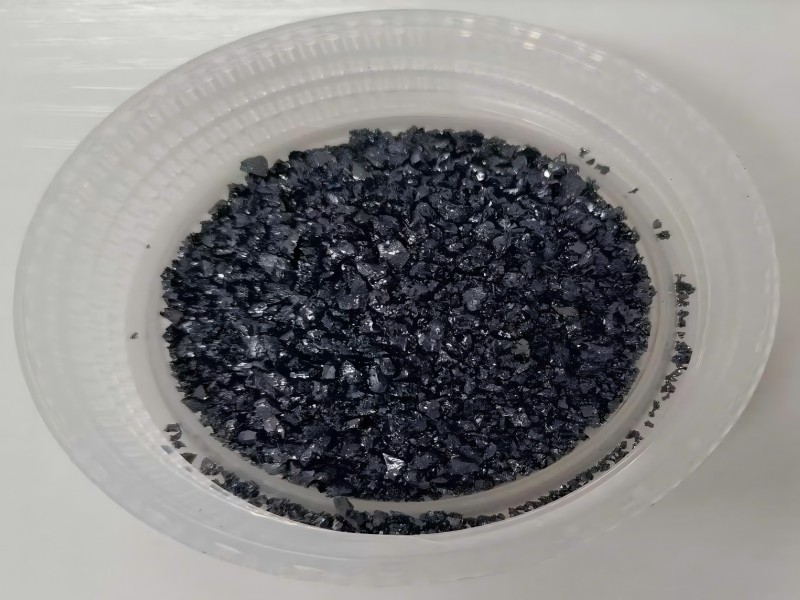
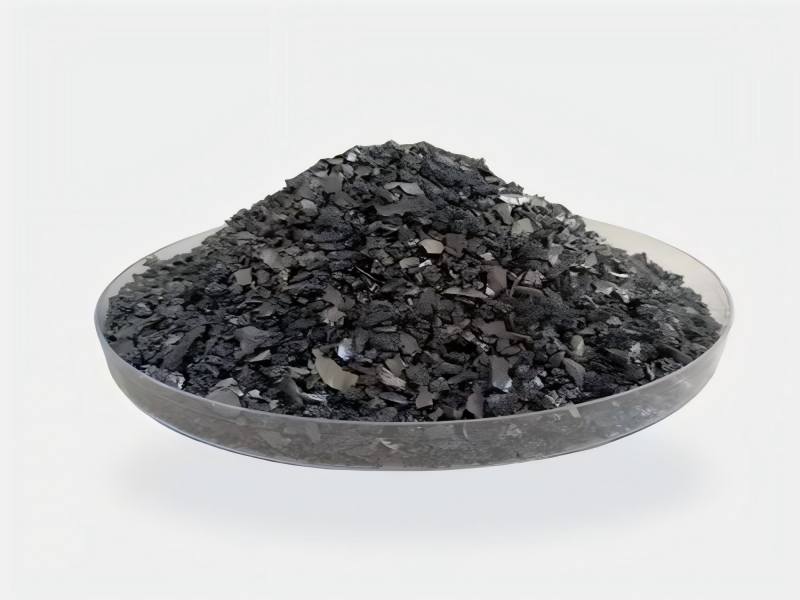
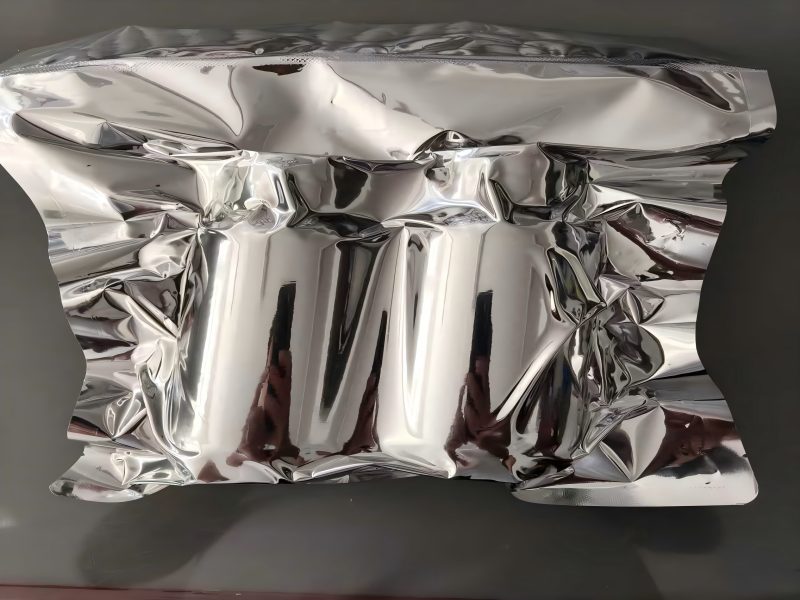
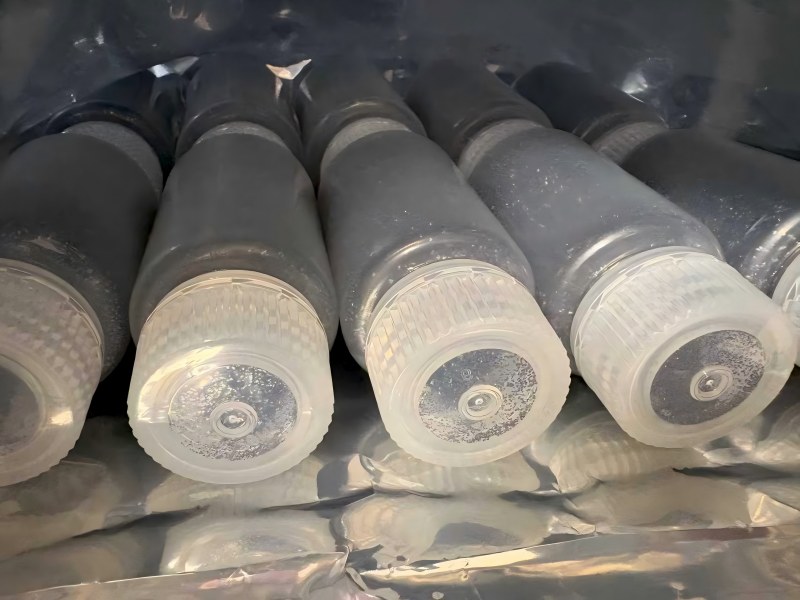
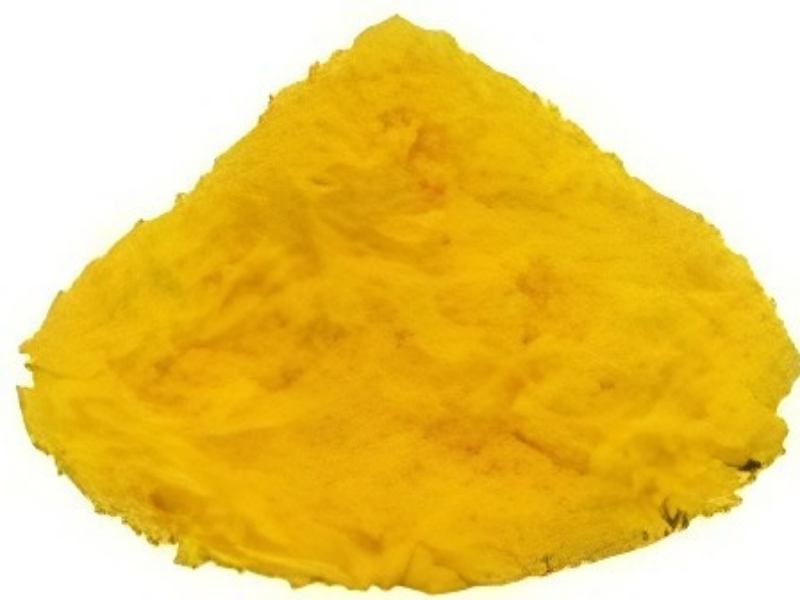
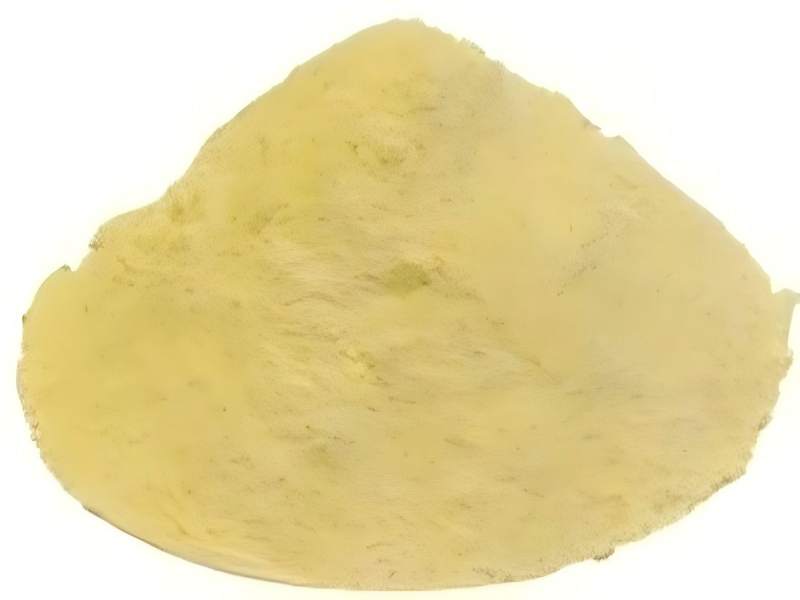
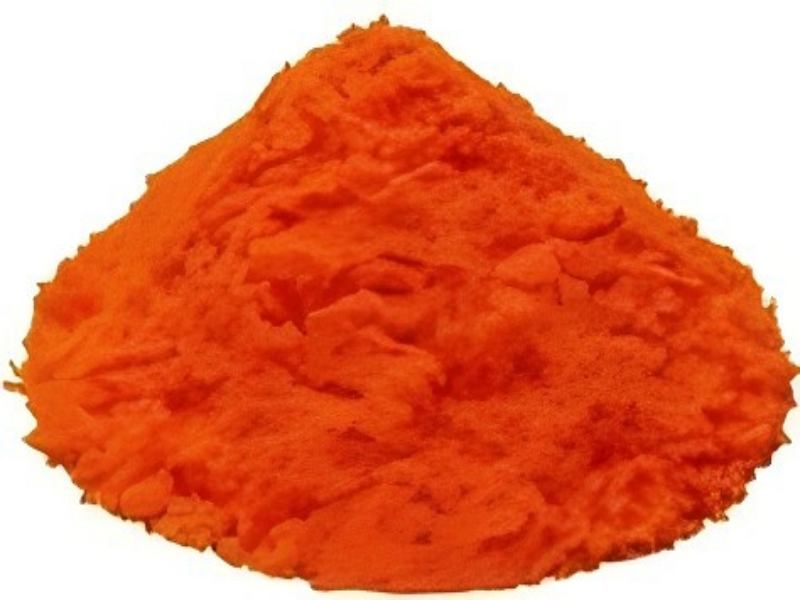
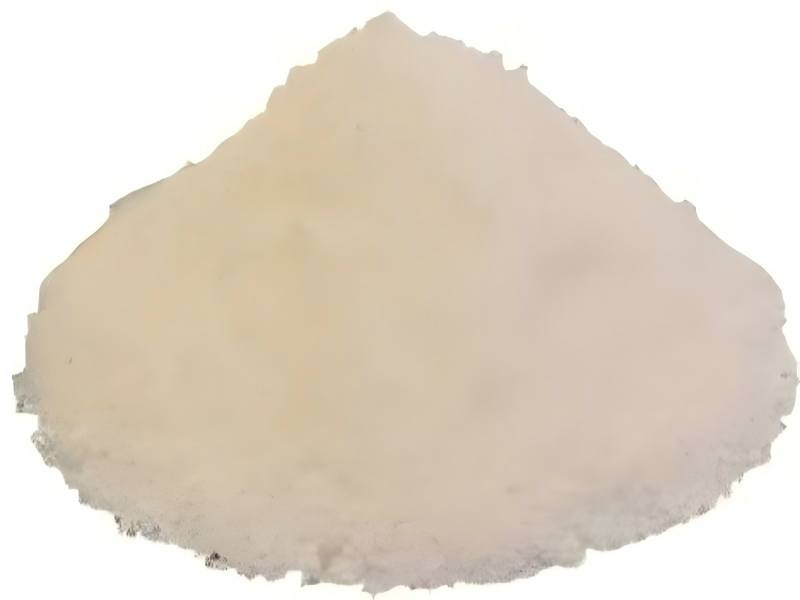
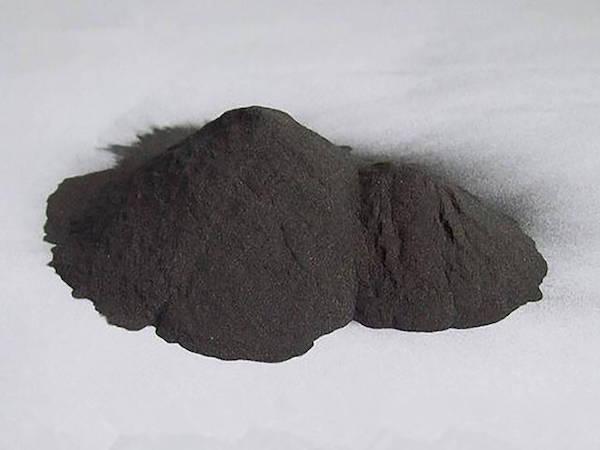
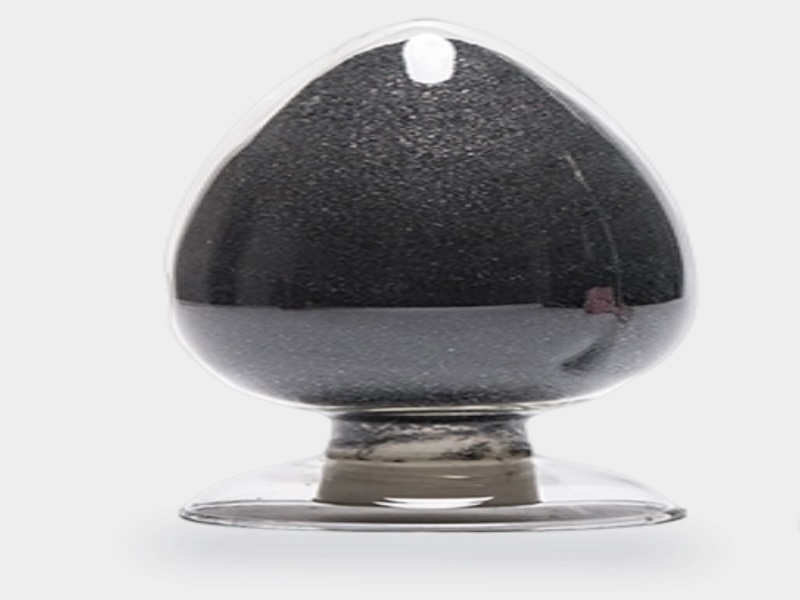
Boron, a chemical element with the symbol B and atomic number 5, is a black/brown hard solid amorphous powder. It is highly reactive and soluble in concentrated nitric and sulfuric acids but insoluble in water, alcohol and ether. It has a high neutro absorption capacity.
UrbanMines specializes in producing high purity Boron Powder with the smallest possible average grain sizes. Our standard powder particle sizes average in the range of – 300 mesh, 1 microns and 50~80nm. We can also provide many materials in the nanoscale range. Other shapes are available by request.
| Appearance | Black-brown |
| Phase at STP | Solid |
| Melting point | 2349 K (2076 °C, 3769 °F) |
| Boiling point | 4200 K (3927 °C, 7101 °F) |
| Density when liquid (at m.p.) | 2.08 g/cm3 |
| Heat of fusion | 50.2 kJ/mol |
| Heat of vaporization | 508 kJ/mol |
| Molar heat capacity | 11.087 J/(mol·K) |
Boron is a metalloid element, having two allotropes, amorphous boron and crystalline boron. Amorphous boron is a brown powder while crystalline boron is silvery to black. Crystalline boron granules and boron pieces are high purity boron, extremely hard, and are poor conductor at room temperature.
Crystalline Boron
The crystal form of crystalline boron is mainly β-form, which is synthesized from β-form and γ-form into a cube to form a fixed crystal structure. As a naturally occurring crystalline boron, its abundance is over 80%.The color is generally gray-brown powder or brown irregular shaped particles. The conventional particle size of the crystalline boron powder developed and customized by our company is 15-60μm; the conventional particle size of crystalline boron particles is 1-10mm (special particle size can be customized according to customer needs). Generally, it is divided into five specifications according to purity: 2N, 3N, 4N, 5N, and 6N.
Crystal Boron Enterprise Specification
| Brand | B content (%)≥ | Impurity content (PPM)≤ | ||||||||||
| Fe | Au | Ag | Cu | Sn | Mn | Ca | As | Pb | W | Ge | ||
| UMCB6N | 99.9999 | 0.5 | 0.02 | 0.03 | 0.03 | 0.08 | 0.07 | 0.01 | 0.01 | 0.02 | 0.02 | 0.04 |
| UMCB5N | 99.999 | 8 | 0.02 | 0.03 | 0.03 | 0.1 | 0.1 | 0.1 | 0.08 | 0.08 | 0.05 | 0.05 |
| UMCB4N | 99.99 | 90 | 0.06 | 0.3 | 0.1 | 0.1 | 0.1 | 1.2 | 0.2 | |||
| UMCB3N | 99.9 | 200 | 0.08 | 0.8 | 10 | 9 | 3 | 18 | 0.3 | |||
| UMCB2N | 99 | 500 | 2.5 | 1 | 12 | 30 | 300 | 0.08 | ||||
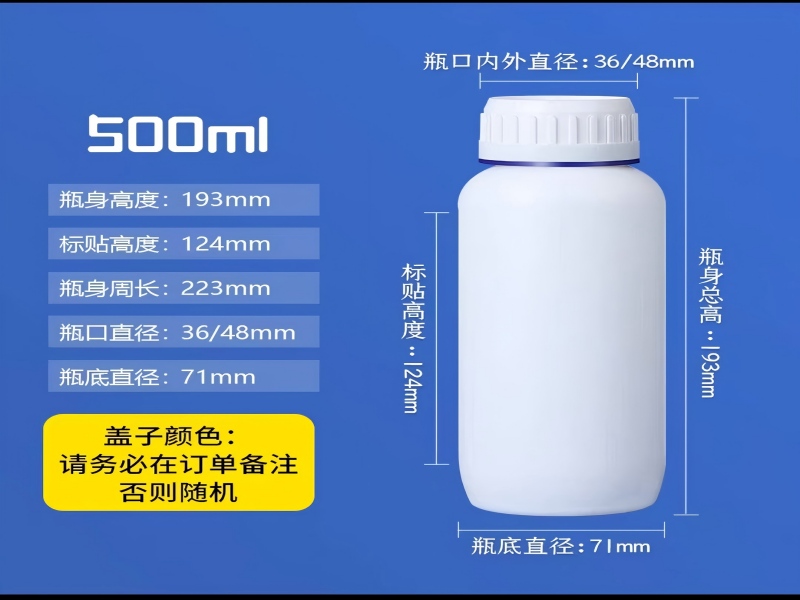
Package:It is usually packed in polytetrafluoroethylene bottles and sealed with inert gas, with specifications of 50g/100g/bottle;
Amorphous Boron
Amorphous boron is also called non-crystalline boron. Its crystal form is α-shaped, belonging to the tetragonal crystal structure, and its color is black brown or slightly yellow. The amorphous boron powder developed and customized by our company is a high-end product. After deep processing, the boron content can reach 99%, 99.9%; the conventional particle size is D50≤2μm; according to the special particle size requirements of customers, sub-nanometer powder (≤500nm) can be processed and customized.
Amorphous Boron Enterprise Specification
| Brand | B content (%)≥ | Impurity content (PPM)≤ | |||||||
| Fe | Au | Ag | Cu | Sn | Mn | Ca | Pb | ||
| UMAB3N | 99.9 | 200 | 0.08 | 0.8 | 10 | 9 | 3 | 18 | 0.3 |
| UMAB2N | 99 | 500 | 2.5 | 1 | 12 | 30 | 300 | 0.08 | |
Package:Generally, it is packaged in vacuum aluminum foil bags with specifications of 500g/1kg (nano powder is not vacuumed);
Isotope ¹¹B
The natural abundance of isotope ¹¹B is 80.22%, and it is a high-quality dopant and diffuser for semiconductor chip materials. As a dopant, ¹¹B can make silicon ions densely arranged, which is used to manufacture integrated circuits and high-density microchips, and has a good effect on improving the anti-radiation interference ability of semiconductor devices. The ¹¹B isotope developed and customized by our company is a cubic β-shaped crystal isotope with high purity and high abundance, and is an essential raw material for high-end chips.
Isotope¹¹B Enterprise Specification
| Brand | B content (%)≥) | Abundance (90%) | Particle size (mm) | Remark |
| UMIB6N | 99.9999 | 90 | ≤2 | We can customize products with different abundance and particle size according to user requirements |
Package:Packed in polytetrafluoroethylene bottle, filled with inert gas protection, 50g/bottle;
Isotope ¹ºB
The natural abundance of isotope ¹ºB is 19.78%, which is an excellent nuclear shielding material, especially with good absorption effect on neutrons. It is one of the necessary raw materials in nuclear industry equipment. The ¹ºB isotope developed and produced by our company belongs to cubic β-shaped crystal isotope, which has the advantages of high purity, high abundance and easy combination with metals. It is the main raw material of special equipment.
Isotope¹ºB Enterprise Specification
| Brand | B content (%)≥) | Abundance(%) | Particle size (μm) | Particle size (μm) |
| UMIB3N | 99.9 | 95,92,90,78 | ≥60 | We can customize products with different abundance and particle size according to user requirements |
Package:Packed in polytetrafluoroethylene bottle, filled with inert gas protection, 50g/bottle;
· Serves as a neutron reaction control material in nuclear reactors to regulate neutron velocity and maintain stable reactor operation.
· Leverages the exceptional neutron absorption capacity of crystalline boron to effectively reduce or adjust neutron flux, ensuring the safety of nuclear energy systems.
· P-type Dopant
As a Group III element, crystalline boron introduces acceptor levels in silicon and serves as the core dopant for fabricating P-type semiconductors. Through ion implantation or diffusion processes, precise control of doping concentration enables the formation of P-type wells or substrates in devices including diodes, field-effect transistors (FETs), and insulated-gate bipolar transistors (IGBTs).
· Preparation of P-type Monocrystalline Silicon
During the growth of monocrystalline silicon via the Czochralski (CZ) or Float Zone (FZ) method, trace amounts of high-purity crystalline boron are added to the high-purity polycrystalline silicon melt. Leveraging the segregation effect of boron in silicon, P-type silicon single crystals with controllable resistivity are obtained. Such single crystals act as fundamental substrate materials for discrete devices, analog integrated circuits, and power semiconductor devices.
· Source Material for Boron-doped Silicon Single Crystals
As a pure boron source, crystalline boron can be used to produce silicon single crystals with specified boron concentrations through melt co-doping. Compared with other boron sources (e.g., borane, boron tribromide), crystalline boron offers superior purity stability and doping uniformity, making it suitable for customized substrate requirements in high-performance semiconductor devices such as detectors and high-voltage power chips.
· Purity Requirements
To ensure accurate doping profiles and high device yield, crystalline boron must meet semiconductor-grade purity (typically ≥99.9999%, i.e., 6N or higher). Metal impurities (e.g., Fe, Cu, Na) must be controlled at the ppb level, with strict limits on light-element impurities such as carbon and oxygen. Like N-type dopants including phosphorus, antimony, and arsenic, crystalline boron and its contact environment with silicon must be handled under ultra-clean conditions.
· Utilizes its outstanding nonlinear optical properties to achieve functions including light modulation, frequency sweeping, and frequency doubling.
· Applied in the manufacture of optical devices such as optical modulators, optical frequency combs, and lasers.
· Serves as a gain medium for infrared lasers, featuring a large emission cross-section and a broad excitation spectral range.
· Used in the production of boron carbide (B₄C), an ultra-hard ceramic material with excellent wear resistance and high-temperature stability, widely used in bulletproof vests, hard tools, abrasives, and wear-resistant ceramics.
· Used in the production of graphite boron compounds (B₉), which have a graphite-like structure, high electrical conductivity, and thermal stability, suitable for high-performance conductive binders, thermal management materials, and friction materials.
· High-purity boron ceramic ballistic-resistant materials
· High-purity boron retardants
· High-purity boron welding agents
· High-purity boron explosives
· High-purity boron fuel-rich / oxygen-lean rocket propellants
· High-purity boron-copper alloys
· High-purity boron-titanium alloys
· High-purity boron-doped polycrystalline diamond
· High-purity boron super-hard wear-resistant tools
· High-purity boron corrosion-resistant steel plates
· High-purity boron-nickel alloys
· High-purity boron-chromium alloys
· Lithium-boron alloys (for next-generation battery materials)
· Boron-magnesium superconducting alloys
· High-purity boron nano-coating powder materials are deposited onto substrate surfaces via sputtering, imparting the following properties to components:
o Wear resistance
o Corrosion resistance
o High-temperature resistance
o Oxidation resistance
o Aging resistance
· Meets the extreme operating requirements of aerospace engines and other harsh environments (e.g., optoelectronic, magnetic properties).
1. Solid Rocket Propellants: Used as a high-energy additive to increase burning rate and specific impulse, suitable for tactical missiles and aerospace booster systems.
2. High-Energy Fuels for Rockets and Missiles: Used in the production of borane compounds (e.g., diborane, decaborane) as key components of liquid or solid high-energy fuels.
1. Neutron Absorption Materials: Leveraging the high thermal neutron capture cross-section of Boron-10 (¹⁰B), used in nuclear reactor control rods, emergency shutdown systems, and neutron shielding layers.
2. Neutron Counters: Coated on the inner walls of detectors for thermal neutron detection and energy spectrum analysis.
3. Boron Steel Production: Used as a boron additive to smelt special alloy steels (boron steel) for reactor structural components and neutron shielding parts.
1. Ignitor Electrodes for Ignitrons: After carbonization at 2300℃, used as cathode materials for ignition cores with low ignition threshold and high ablation resistance.
2. Raw Materials for High-Performance Cathodes: Used to synthesize lanthanum hexaboride (LaB₆), a highly stable, long-life thermionic cathode applied in electron microscopes and high-power microwave tubes.
1. Special Alloy Steel Smelting: Trace boron addition significantly improves hardenability, high-temperature strength, and neutron irradiation resistance of steel.
2. Gas Scavenger for Molten Copper: Removes oxygen and other dissolved gases from molten copper to enhance conductivity and density.
3. Boron Fiber Reinforced Materials: Used as the core raw material for boron fibers in aerospace composites and high-performance sports equipment.
1. Organic Synthesis Catalysts: Used in selective hydrogenation, dehydrogenation, and rearrangement reactions to improve yield and selectivity.
2. Ceramic Industry Catalysts: Promote low-temperature sintering and densification of boride ceramics (e.g., TiB₂, ZrB₂).
3. Synthesis of High-Purity Boron Compounds: Used as a boron source to produce high-purity boric acid, sodium borohydride, boron nitride, and other fine chemicals.
4. Preparation of High-Purity Boron Halides: Used to synthesize high-purity BBr₃, BCl₃, etc., as semiconductor diffusion sources and optical fiber dopants.
· Airbag Initiators: Used as a component of gas-generating agents; upon collision, it burns rapidly to produce high-pressure nitrogen and inflate the airbag.
· Pyrotechnic Effects Agents: Produces green flames and bright sparks when burned, used in fireworks, signal flares, and military illuminating projectiles.
· Pharmaceutical Intermediates: Used in the synthesis of boron-containing drugs (e.g., boronophenylalanine) for Boron Neutron Capture Therapy (BNCT), or as doping sources for antibacterial materials.
Tags :



Copyright @ 2010-2026 UrbanMines Tech. Co., Ltd. All Rights Reserved.
 IPv6 Network Supported