-
Give us a call +86-755-2543 2352
-
Email us info@urbanmines.com
-
Come & visit us No. 11, Bld. C, Hengmingzhu Tech. Industrial Park, Shajing Subdistrict, Bao'an District, Shenzhen, Guangdong, China
Give us a call +86-755-2543 2352
Email us info@urbanmines.com
Come & visit us No. 11, Bld. C, Hengmingzhu Tech. Industrial Park, Shajing Subdistrict, Bao'an District, Shenzhen, Guangdong, China
Ethylene Glycol Antimony is a high-efficiency polyester polycondensation catalyst featuring excellent solubility, superior dispersion, and high catalytic activity, enabling faster reaction rates, improved product quality, and increased production efficiency.
Core Advantages:
Developed and customized by UrbanMines, ethylene glycol antimony features stable physicochemical properties, high catalytic efficiency, and significant quality improvement. It has become the preferred catalyst for polyester process upgrades and is suitable for all polyester polycondensation applications.
Ethylene Glycol Antimony / Antimony Triglycolate – Physicochemical Properties
| English Name: | Ethylene Glycol Antimony / Antimony Triglycolate |
| Molecular Formula: | Sb₂(OCH₂CH₂O)₃ |
| Molecular Weight: | 423.66 |
| CAS Number: | 29736-75-2 |
| EINECS Number: | 249-820-2 |
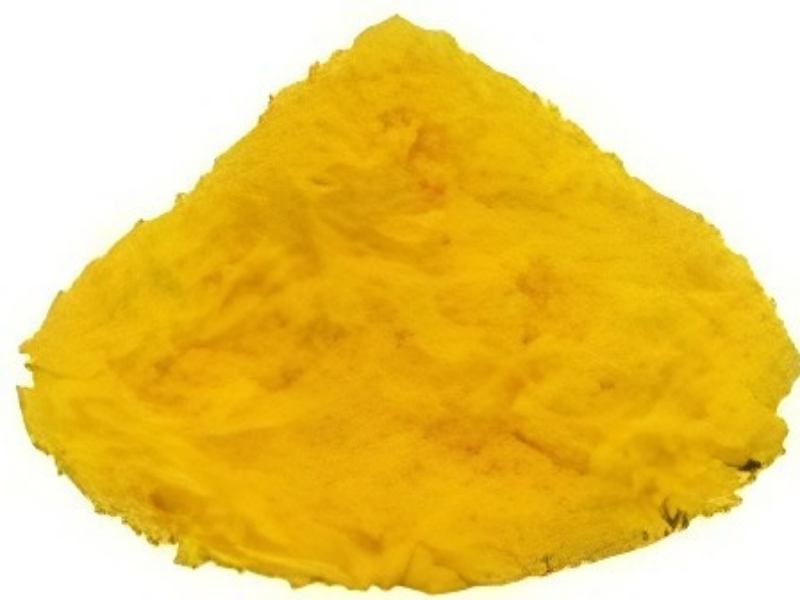
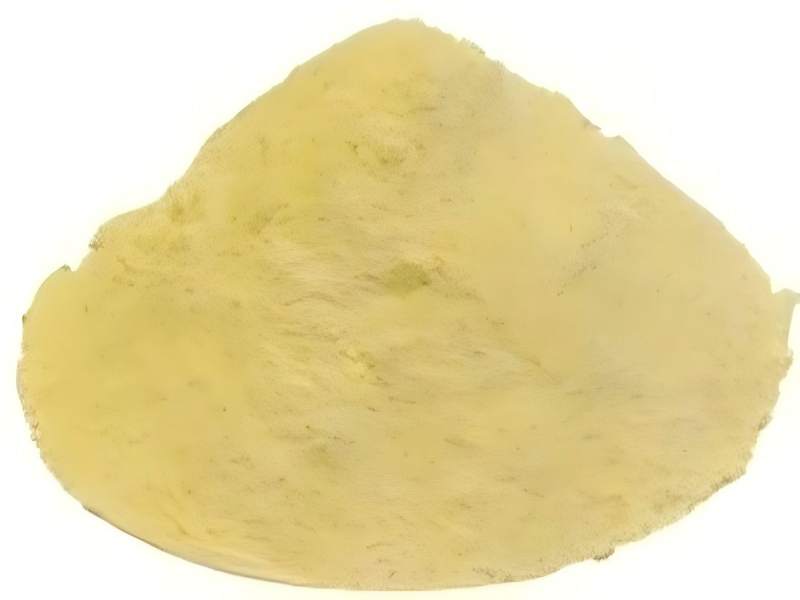
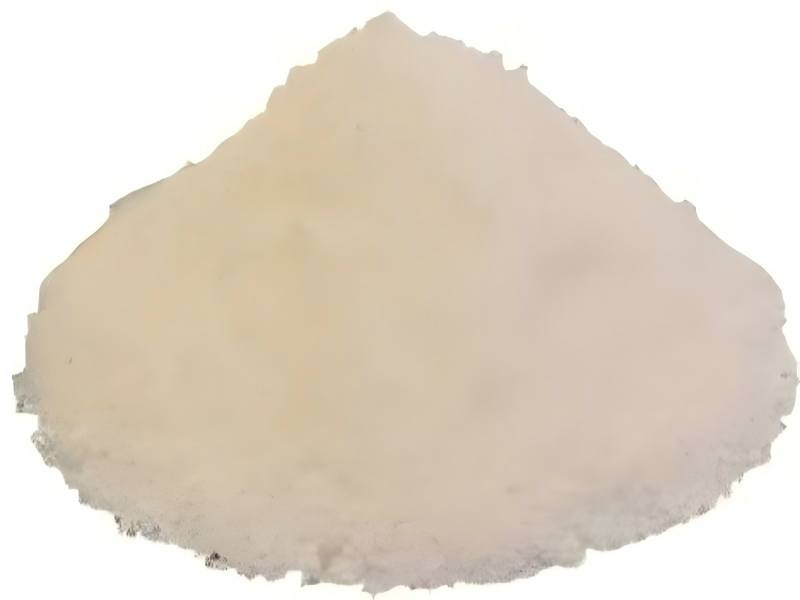
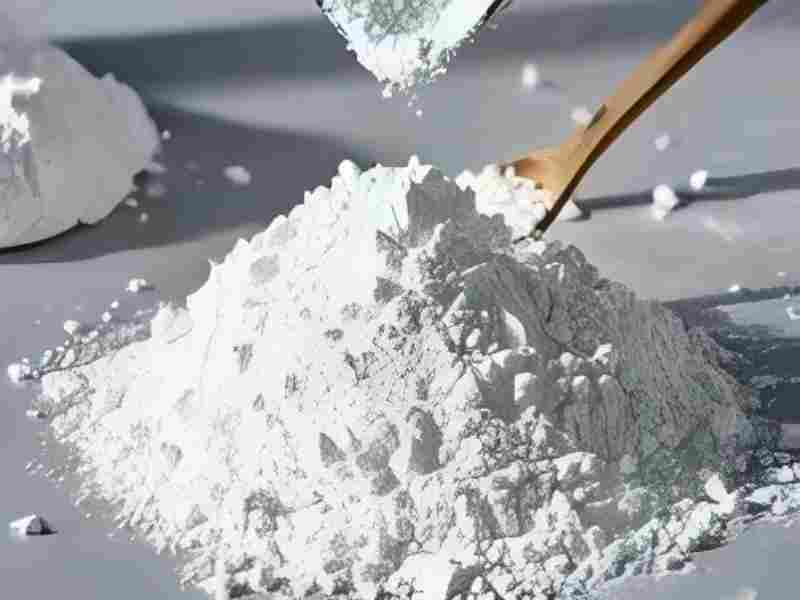
| Appearance: | White or pale cyan crystalline granules (some grades available as slightly moist white crystals or white powder) |
| Melting Point: | > 100°C |
| Flash Point: | > 100°C |
| Solubility: | Highly soluble in ethylene glycol with excellent dispersibility. Prone to decomposition upon exposure to moisture or humid air; store in a sealed, dry environment |
| Chemical Properties: | Non-toxic and odorless, with relatively stable chemical properties. It decomposes readily only under humid conditions without generating harmful by‑products. |
Enterprise Specification for Ethylene Glycol Antimony
| Symbol | Grade | Chemical Component | Transmittance in EG | L Valu | B Value | Loss on Drying | 20-mesh Sieve Pass Rate | |||||
| Sb | Foreign Mat.≤ppm | |||||||||||
| Pb | As | Fe | Cl- | SO42- | ||||||||
| UMEGA-54 | Crystalline Grade | 55±1% | 5 | 10 | 5 | 30 | 20 | ≥98% | ≥93 | ≤3.0 | / | / |
| UMEGA-56 | Dry Grade | 57±1% | 5 | 10 | 5 | 30 | 20 | ≥98.00 | ≥95 | ≤3.0 | ≤0.60 | ≥98 |
Package: Aluminum-plastic composite bags are vacuum-packed. Each bag weighs 15 or 25 kilograms and is packed in one pallet per ton.
What are the application areas and specific uses of antimony glycol ?
I. Main Application Areas
Antimony glycolate is a highly efficient, high-purity, organometallic polycondensation catalyst, primarily used in the polyester industry, particularly in melt polycondensation processes using terephthalic acid (PTA) and ethylene glycol (EG) as raw materials. Specifically, it covers the following sub-sectors:
1. Polyester resin (PET) production
- Fiber-grade polyester chips (for polyester staple fiber and filament)
- Bottle-grade polyester chips (for drinking water, carbonated beverages, hot-fill bottles, etc.)
- Film-grade polyester chips (for optical films, electrical insulation films, and packaging films)
2. Modified polyesters and copolyesters
- Low diethylene glycol (DEG) content polyester
- Cationic dyeable polyester (CDP)
- Partial catalytic system of polybutylene terephthalate (PBT) (requires formulation)
3. Polyester Recycling and Viscosity Enhancing Process
- Melting and thickening of waste PET material (SSP pretreatment stage)
- Highly efficient polycondensation catalysis of recycled polyester (r-PET)
II. Specific Applications and Technical Advantages
Antimony glycolate replaces traditional catalysts (such as antimony trioxide and antimony acetate) in polyester polycondensation reactions, and its specific applications and performance improvements are as follows:
1. Highly efficient catalytic polycondensation reaction, increasing production capacity.
- Applications: As a main catalyst, it accelerates the polycondensation stage after transesterification or direct esterification, significantly increasing the polymerization rate.
- Effects: With the same amount of antimony, the reaction time is shortened by 10%–15%; or within the same time, the degree of polymerization (DP) and intrinsic viscosity (IV) are higher, and the space yield of the unit is improved.
2. Reduce the residual antimony content in the finished product to meet green and environmental protection requirements.
- Applications: Due to its high catalytic efficiency, the amount required to be added is only 60%–70% of that of traditional catalysts (based on antimony element).
- Results: The residual Sb content in PET chips can be stably controlled at ≤150 ppm, and some high-end bottle chips can be as low as ≤100 ppm, which is far lower than the 200–250 ppm of the antimony acetate system, meeting the restrictions on migration of food contact materials imposed by the EU, US FDA and other authorities.
3. Improve the hue and optical properties of polyester products
- Applications: Antimony glycol is completely dissolved and uniformly dispersed in the reaction system, avoiding local over-catalysis or metal aggregation.
- Results: The b-value (yellowness index) of the produced PET chips is reduced by 1–2 units compared to the antimony trioxide system, while the L-value (brightness) is improved, making them more suitable for the production of optical films and ultra-bright fibers.
4. Reduce side reactions and improve product quality indicators.
- Applications: Reduce side reactions such as ethylene glycol etherification and inhibit the formation of diethylene glycol (DEG).
- Effects: DEG content in PET can be controlled at ≤0.8% (compared to approximately 1.0%–1.2% in conventional systems), improving melting point and thermal stability, and enhancing downstream spinning and blow molding performance.
5. Optimize spinnability after processing to reduce breakage rate.
- Applications: The catalytic residue is uniform and extremely fine in particle size (no suspended matter after dissolution), and does not clog the filter screen of the spinning assembly.
- Effects: Polyester filament spinning breakage rate is reduced by more than 30%, fiber strength and elongation uniformity are improved, and the rate of superior products can reach 100%.
6. Ease of use and device adaptability
- Applications: It can be directly dissolved in ethylene glycol to prepare a homogeneous catalyst solution (concentration 2%–5%), enabling continuous and precise metering and feeding.
- Effects: Avoids the risk of precipitation caused by antimony acetate hydrolysis, and also eliminates the need for antimony trioxide grinding and dispersion process, making it suitable for large-scale continuous polyester plants (single line daily output of hundreds of tons or more).
III. Supplementary Notes (Selection Recommendations)
Compared to antimony acetate, antimony glycol has higher thermal stability and is less prone to sublimation or decomposition at polycondensation temperatures above 300°C, thus reducing antimony deposition in vacuum pipes.
- Compared with antimony trioxide: Antimony glycol has a solubility of >10% (mass fraction, 80℃) in ethylene glycol, while antimony trioxide has a solubility of less than 0.1%, thus its dispersibility and initial activity are significantly better than the latter.
- Application limitations: Not suitable for antimony-free systems (such as some hot-fill bottles and medical packaging), but can be used as a transitional solution in antimony-reduction conversion.
Tags :



Copyright @ 2010-2026 UrbanMines Tech. Co., Ltd. All Rights Reserved.
 IPv6 Network Supported