-
Give us a call +86-755-2543 2352
-
Email us info@urbanmines.com
-
Come & visit us No. 11, Bld. C, Hengmingzhu Tech. Industrial Park, Shajing Subdistrict, Bao'an District, Shenzhen, Guangdong, China
Give us a call +86-755-2543 2352
Email us info@urbanmines.com
Come & visit us No. 11, Bld. C, Hengmingzhu Tech. Industrial Park, Shajing Subdistrict, Bao'an District, Shenzhen, Guangdong, China
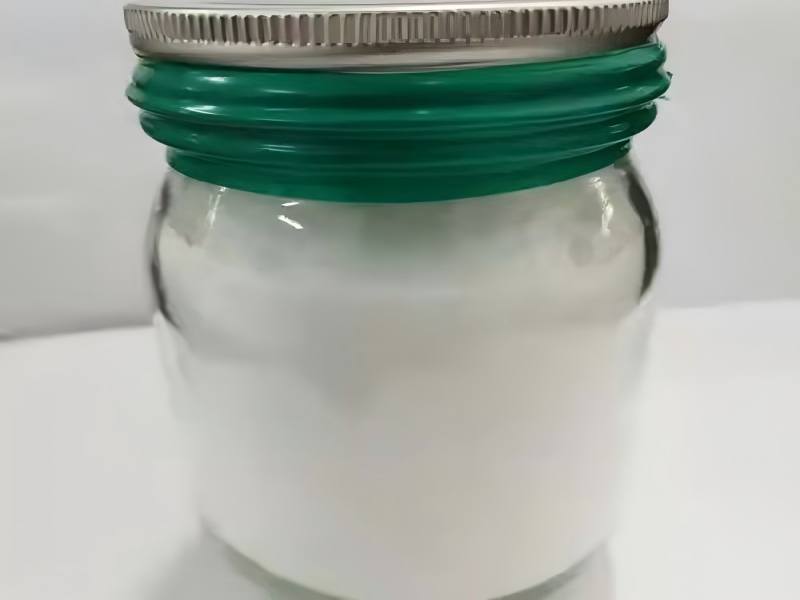
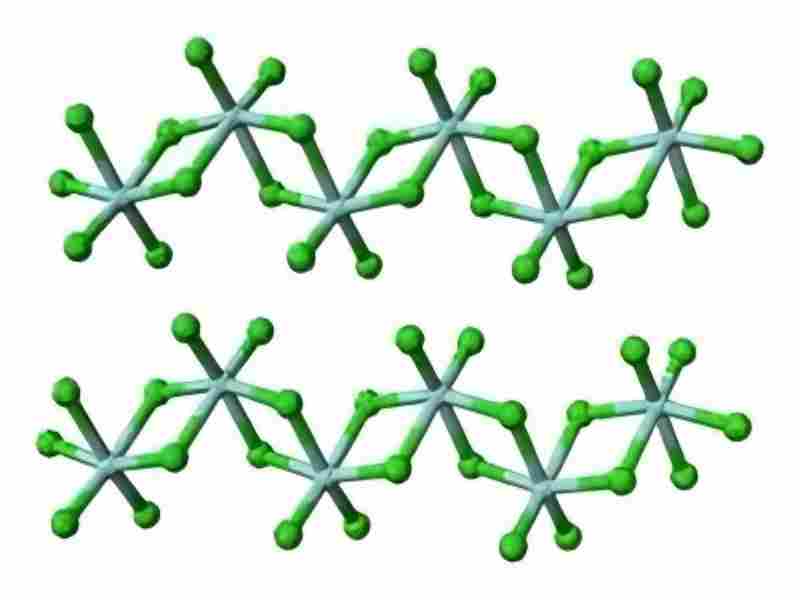
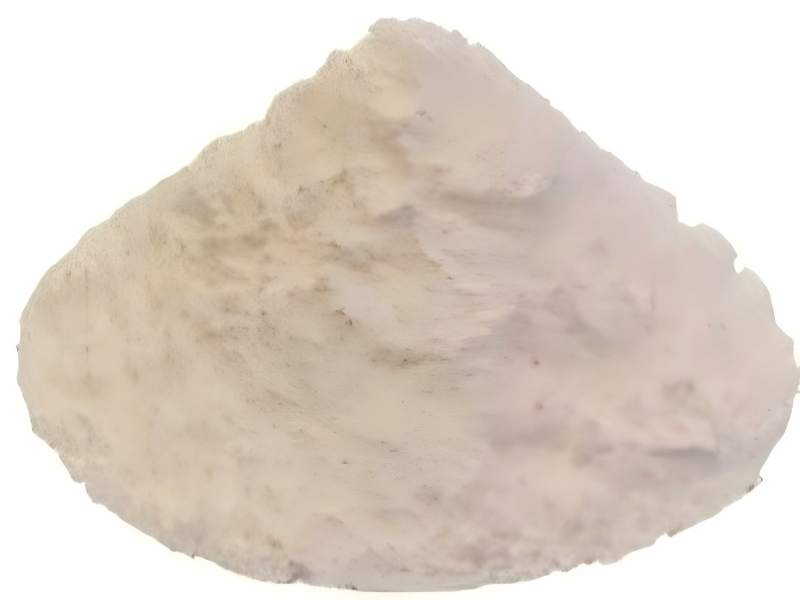
Hafnium Tetrachloride (HfCl₄) is a high-value inorganic compound widely employed as a precursor in the synthesis of advanced high-temperature ceramics, phosphor materials for high-power light-emitting diodes (LEDs), and heterogeneous catalysts. Notably, it exhibits exceptional Lewis acidity, rendering it highly effective in olefin polymerization and diverse organic transformations. Driven by expanding applications in semiconductor manufacturing, aerospace engineering, and next-generation electronic materials, global demand for HfCl₄ has demonstrated sustained growth. However, its industrial-scale production remains technically demanding—requiring stringent process control, ultra-high-purity feedstocks, and compliance with rigorous environmental, health, and safety (EHS) regulations. Given its pivotal role in enabling high-performance functional materials and specialty catalysts, HfCl₄ is increasingly recognized as a strategic raw material for advanced materials science and fine chemical synthesis.
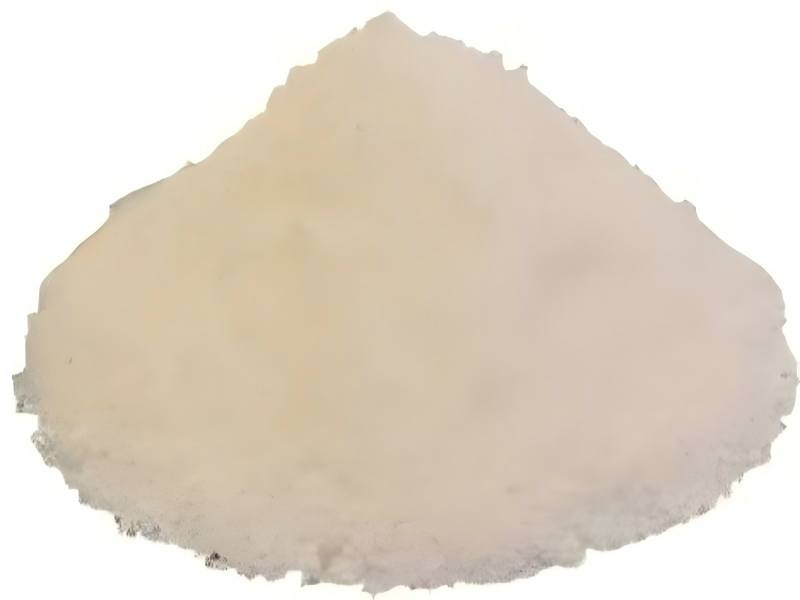
Hafnium tetrachloride (HfCl₄) is a colorless, crystalline solid with a molecular weight of 320.30 g/mol and CAS Registry Number 13499-05-3. It melts at 320 °C and undergoes sublimation at approximately 317 °C under ambient pressure. The compound is extremely hygroscopic and reacts exothermically and vigorously with moisture, necessitating storage under anhydrous, inert atmospheric conditions (e.g., argon or nitrogen) in tightly sealed containers. Due to its strong corrosivity, direct contact with skin or eyes may result in severe chemical burns. As a Class 8 corrosive hazardous substance (UN2509), handling requires appropriate personal protective equipment (PPE), including chemical-resistant gloves, goggles, and respiratory protection where dust generation is possible.
Enterprise Standard of 5N Purity Grade Hafnium Tetrachloride
| Symbol | Li 7 (ppb) |
Be 9 (ppb) |
Na 23 (ppb) | Mg 24 (ppb) | Al 27 (ppb) | K 39 (ppb) | Ca 40 (ppb) | V 51 (ppb) | Cr 52 (ppb) | Mn 55 (ppb) | Fe 56 (ppb) | Co 59 (ppb) | Ni 60 (ppb) | Cu 63 (ppb) | Zn 66 (ppb) | Ga 69 (ppb) | Ge 74 (ppb) | Sr 87 (ppb) |
| UMHT5N | 0.371 | 2.056 | 17.575 | 6.786 | 87.888 | 31.963 | 66.976 | 0.000 | 74.184 | 34.945 | 1413.776 | 21.639 | 216.953 | 2.194 | 20.241 | 12.567 | 8.769 | 3846.227 |
| Zr 90 (ppb) | Nb 93 (ppb) | Mo98 (ppb) | Pd106 (ppb) | Ag 107 (ppb) | As 108 (ppb) | Cd 111 (ppb) | In 115 (ppb) | Sn 118 (ppb) | Sb 121 (ppb) | Ti131 (ppb) | Ba 138 (ppb) | W 184 (ppb) | Au -2197 (ppb) | Hg 202 (ppb) | Tl 205 (ppb) | Pb 208 (ppb) | Bi 209 (ppb) | |
| 41997.655 | 8.489 | 181.362 | 270.662 | 40.536 | 49.165 | 5.442 | 0.127 | 26.237 | 1.959 | 72.198 | 0.776 | 121.391 | 1707.062 | 68.734 | 0.926 | 14.582 | 36.176 |
Comment: The above parameters were detected by ICP-MS.
What is Hafnium Tetrachloride used for?
Hafnium tetrachloride (HfCl₄) is a versatile inorganic compound that, owing to its unique chemical properties, finds extensive applications in numerous high-tech fields:
- Semiconductors and Electronic Materials: It serves as a key precursor for preparing high-dielectric-constant materials (such as hafnium dioxide), used in transistor gate insulating layers to significantly enhance chip performance. It is also widely employed in chemical vapor deposition (CVD) processes to deposit metallic hafnium or hafnium compound thin films, applied in high-performance transistors, memory devices, etc.
- Ultra-High Temperature Ceramics and Aerospace: Used in the manufacture of ultra-high temperature ceramic materials, which exhibit excellent high-temperature resistance, wear resistance, and corrosion resistance. These ceramics are suitable for extreme environments such as aircraft engine hot sections and rocket nozzles. Additionally, it can be used in high-power LED packaging materials to improve device heat dissipation and lifespan.
- Catalysis and Organic Synthesis: As an efficient Lewis acid catalyst, it promotes reactions such as olefin polymerization (e.g., as a precursor for Ziegler-Natta catalysts), esterification of alcohols and acids, acylation, and 1,3-dipolar cycloadditions, enhancing reaction rates and selectivity. It is also utilized in fine chemical synthesis of fragrances and pharmaceuticals.
- Nuclear Industry: Leveraging its good thermal and chemical stability, it is applied in nuclear reactor cooling systems and as coating materials for nuclear fuels, improving corrosion resistance and thermal stability.
- Energy Sector: Used as a raw material for synthesizing solid electrolyte materials like lithium hafnium phosphate for developing high ionic conductivity lithium batteries. It also serves as a precursor for high-capacity cathode materials in lithium and sodium-ion batteries.
- Zirconium-Hafnium Separation: Exploiting the difference in volatility between zirconium tetrachloride and hafnium tetrachloride, they can be efficiently separated via fractional distillation or gas chromatography. This is an important industrial method for obtaining pure hafnium.
In summary, hafnium tetrachloride plays an irreplaceable role in semiconductors, advanced materials, catalysis, nuclear energy, and new energy sectors, establishing itself as a core raw material in modern high-tech industries.



Copyright @ 2010-2026 UrbanMines Tech. Co., Ltd. All Rights Reserved.
 IPv6 Network Supported